
Mastering Hockey Gear Selection for All Ages
Choosing the right hockey gear is an essential step for players at every stage of their hockey journey. This guide breaks down the essentials of selecting hockey gear, from sticks to skates, and beyond.
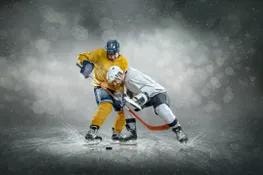
Choosing the right hockey gear is an essential step for players at every stage of their hockey journey. With the abundance of options available, it can be challenging to determine what's best for your needs. This guide will break down the essentials of selecting hockey gear, from sticks to skates, and beyond.
Why Is Proper Hockey Gear Important?
Hockey is a fast-paced, high-impact sport that demands the correct equipment to ensure safety, performance, and comfort. Ill-fitting or low-quality gear can not only hinder your performance but also increase the risk of injuries. Whether you are a youth player just starting out or a seasoned professional, investing in high-quality equipment tailored to your needs is crucial.
What Are the Key Pieces of Hockey Equipment?
Hockey gear can generally be categorized into protective equipment, performance gear, and accessories. Here's a breakdown:
1. Protective Equipment
- Helmet: Protects against head injuries. Ensure it fits snugly and meets safety certifications.
- Shoulder Pads: Provide protection for the upper body, including the chest and shoulders.
- Elbow Pads: Shield the elbows from impacts and abrasions.
- Gloves: Offer hand protection while maintaining flexibility for gripping the stick.
- Pants: Also known as breezers, these protect the thighs and hips.
- Shin Guards: Cover the shins and knees to absorb impacts from pucks and sticks.
2. Performance Gear
- Hockey Stick: Choose the right length, material, and flex based on your playing style.
- Skates: Proper fit is essential to maximize speed, agility, and comfort.
- Jersey and Socks: While part of the uniform, they also provide an extra layer of protection.
3. Accessories
- Mouthguard: Protects teeth and reduces the risk of concussions.
- Equipment Bag: Keeps all your gear organized and easy to transport.
- Tape: For stick blades and securing shin guards.
How to Choose the Right Hockey Stick
The hockey stick is one of the most personalized pieces of equipment. Take the following into account:
- Material: Composite sticks are lightweight and offer superior performance, while wooden sticks are more affordable and durable.
- Flex: The flex rating should match your weight and playing style. A higher flex is stiffer, while a lower flex is more forgiving.
- Blade Curve: Different curves affect puck control and shooting accuracy.
- Length: The stick should reach between your chin and nose when standing.
What to Look for in Hockey Skates
Skates are the foundation of your performance on the ice. Key considerations include:
- Fit: Skates should be snug but not painful. Consider width, length, and arch support.
- Blade Quality: High-quality steel blades provide better glide and durability.
- Weight: Lightweight skates enhance speed and agility.
- Ankle Support: Proper support reduces the risk of injuries and improves stability.
Tips for Buying Youth Hockey Gear
For young players, comfort and safety are paramount. Here are some tips:
- Growth Room: Choose gear with some room for growth but avoid oversized equipment that compromises safety.
- Adjustability: Features like adjustable straps and extendable components can extend the lifespan of the gear.
- Budget-Friendly Options: Many retailers offer trade-in programs for youth gear.
Maintaining Your Hockey Equipment
Proper maintenance prolongs the lifespan of your equipment and ensures optimal performance:
- Air Dry Gear: After every use, air out equipment to prevent odor and bacteria buildup.
- Sharpen Skates Regularly: Dull blades can negatively impact your performance.
- Inspect for Wear and Tear: Regularly check for damage, especially on protective gear.
Common Mistakes to Avoid
- Ignoring Fit: Ill-fitting gear can lead to discomfort and injuries.
- Skipping Safety Checks: Always ensure your gear meets safety standards.
- Neglecting Maintenance: Poor upkeep can shorten the lifespan of your equipment.
FAQ
1. How do I know my hockey stick is the right length? Stand the stick upright; it should reach between your chin and nose without skates on.
2. How often should I sharpen my skates? It depends on usage, but generally, every 8–10 hours of skating is a good rule of thumb.
3. What's the best way to break in new skates? Wear them off the ice for short periods and consider using skate ovens for heat molding.
4. Can I use the same gear for ice hockey and roller hockey? Some gear is interchangeable, like gloves and helmets, but skates and pants differ.
5. How do I clean my hockey gear? Follow manufacturer instructions; most gear can be hand-washed or gently machine-washed, except for helmets and skates.
By understanding the essentials of hockey gear and how to select, maintain, and use it properly, players of all levels can enhance their performance and safety on the ice. Whether you're shopping for youth hockey or upgrading your pro-level gear, this guide has you covered.
Explore Topics
Written by
Hockey Store N More
Content creator and writer sharing insights and stories.